Isla Contoy - The off the beaten path excursion on a uninhabited Island.

Isla Contoy, Mexico … A Paradise Preserved

Part 2 of The Excursion - Cancun to Isla Mujeres & Isla Contoy

Discover Isla Contoy, Mexico

……  A Paradise Preserved

What to Expect on Isla Contoy

About the Island:  Isla Contoy, is a beautiful island located off the coast of the Yucatán peninsula that is only accessible by boats from Cancun or Isla Mujeres, Mexico. It is a pristine, federally protected island known as a haven for wildlife. This island is part of the Isla Contoy National Park. This Natural Preserved Island is truly guarded as much as they can. The protected area is a prime example of how ecotourism and preservation can work hand in hand to maintain fragile ecosystems.

Tour: I highly recommend taking the educational tour that they offer to learn about the island. The main guided tour was after lunch, which is given in Spanish for the visitors from Spain. The guides spoke several languages and offered the small group of us an English-speaking tour right when we arrived, which I enjoyed.

The tour was an amazing, well worth the 20-to-30-minutes it took to complete. Just know that when they ask if you want to see the lagoon that is full of mosquitos, you can ask to skip that part of the tour if you wish. The guided tours and all activities are supervised by certified guides to ensure adherence to conservation rules, but you had a free range of a lot of space to explore while you’re there. Shoes to walk in the sand on your short hike up the hill would be something to keep in mind while packing.

Relax. While you’re relaxing and taking it all in, you’ll wonder how more places can be as eco-friendly, similar to Isla Contoy, Mexico. The best Eco-Conscious experience that I have experienced in a long time.  The beaches are lined with small areas of covered shade. Stay within the areas that designated and follow the guidelines regarding zero plastic and chemicals, to ensure the success of preserving this natural habitat.

Ride Back. Enjoying the last moments of the evening.  in the fresh ocean breeze, enjoying the sights & smells of the breathtaking view of the of the ocean & sky. The crew members had multiple jobs to do and they were great at all of them.   They worked hard to keep everyone safe in the ocean, organized throughout the day and teaching us about Isla Contoy, while making sure that you have an enjoyable visit. Snap a few photos of the beautiful sunset, while snacking on treats and sipping a cocktail.

After docking back in Cancun, everyone gathered in the waiting area that were filled with tables and chairs, overlooking the docks. It was an organized way for a restroom break, stay with your group and for the driver to find you when it’s time for departing in the luxury van for the trip back to where you were originally picked-up.

A final note about Isla Contoy and many beaches in the surrounding area.  There are a lot of beaches in Mexico and throughout, that are Blue Flagged Beaches. These beaches have rules in place to help preserve the natural habitats of the wildlife in the areas. Read more about blue flagged beaches, but one rule is zero sunscreen is allowed. Know that once you dock on Isla Contoy, you have to leave any chemicals and plastics on the boat, including sunscreen & bug sprays.

Cancun, Mexico

Notes of the preserved Island. One of the many enforced rules they have in place to protect the island is zero sunscreen. So, apply before you get to the docks. Also, if you’re a fan of sunscreen read more on the truth about Sunscreens on My Spinning Mind Travels, Stream2Sea, Reef Relief.

Beware of Greenwashing and Marketing Lies. If all sunscreens are truly reef safe, we won’t have these restrictions. Until those changes are made, check out the what Ingredients to Avoid List on the back of all sunscreens and help with demanding safe sunscreens from every company.

The future of Sunscreen is RFP Reef Factor Protection. Introducing - Coral Care. The first Sunscreen that nourishes the coral reefs, by Stream2Sea. Support the sunscreen companies that are making a difference in helping us by producing safe products for us and the environment.

I’ve have found a wealth of information and I’ve discovered my favorite sunscreen that I use for daily sunscreen protection and is great for day adventures. The  Everyday Wet Boost tinted Sunscreen in the morning for my daily protection of UV rays is my go to.

When I can’t find sunscreen that is proven to be non-toxic, I will wear sun protected clothing with UPF protection, for example a rash guard made of recycled materials, along with a sun hat.

Hopefully you will enjoy your day adventure as much as I did. Take what you learned and share as much as you can of different ways of protecting our planet, every day. I’m looking forward to my next visit to this beautiful Island.

Isla Contoy, Mexico

Who – This adventure is for those seeking exploring islands, snorkeling and a serene beach day on an island only accessible by boat. Then toping of the day with a beautiful sunset cruise on the Caribbean. 

What – Hopefully you’ll be prepared for your visit with reading ‘what you can expect’ above in the bonus section, before visiting this incredible natural gem off of the coast of Cancun, Mexico.

When – Any time! Available to visit all year-round.  If you plan on visiting between May to September, you’ll have a unique opportunity to possibly witness the whale shark’s migration through the waters around Isla Contoy.

Where – Isla Contoy, Mexico. Located off of Cancun, Mexico. The Isla Contoy, Mexico. Located off of Cancun, Mexico. The Isla of Contoy on the Yucatán Peninsula, is a pristine, federally protected island that is part of the Isla Contoy National Park and is only accessible via guided tours and only be able to access this island by boat from Isla Mujeres or Cancun, Mexico.

What to Expect on The Isla Contoy and Isla Mujeres Nature Experience

Part 1 & Part 2:

1. The Excursion – Cancun to Isle Mujeres & Isla Contoy

2. Discover Isla Contoy, Mexico ……  A Paradise Preserved

Are you ready to travel?


Dream!‍ ‍Plan!‍ ‍ Go!

Read More
Adventures, Eco Tourism, Travel MySpinningMindTravels Adventures, Eco Tourism, Travel MySpinningMindTravels

Snorkeling with Whale Sharks - The right way

Snorkeling with Whale Sharks

Eco - Tourism

Citizen Scientist Expedition

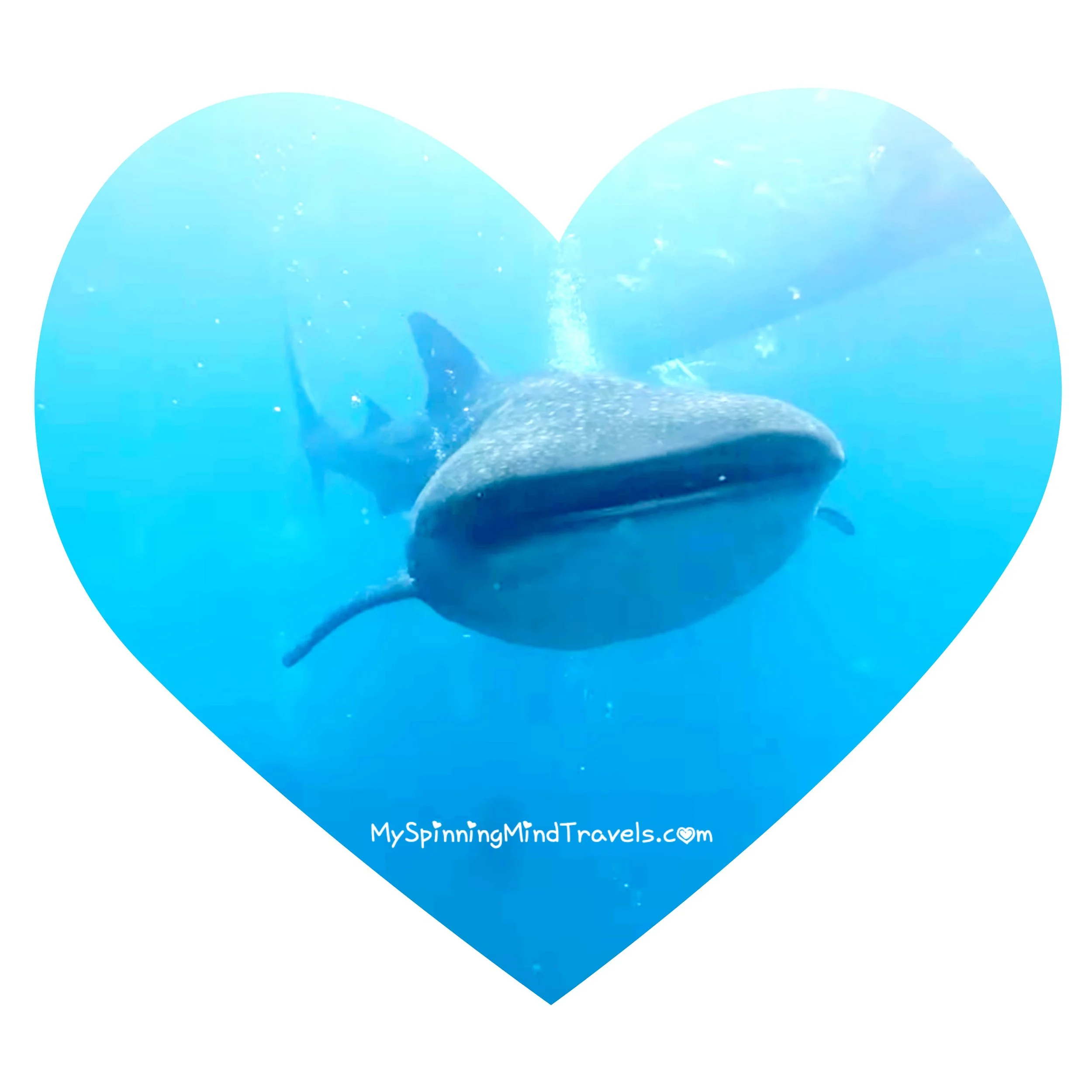
If you’ve ever dreamed of swimming alongside a whale shark, you’re not alone. These gentle giants are one of the ocean’s most incredible creatures. This magical experience can be, not all whale shark tours are created equal. Some can harm the animals and disrupt their natural behavior.

A better option is joining a citizen scientist expedition. These trips are designed to let you enjoy the experience while helping researchers learn more about whale sharks and how to protect them. You won’t just be watching, you’ll be collecting useful information, like photos of their spot patterns or notes on their behavior, that scientists can use for conservation work.

Why Choose an Expedition Instead of a Regular Tour

Standard tourist snorkeling trips often mean large groups, crowded waters, and very little learning. This can stress the animals and turn the experience into little more than a quick photo opportunity. What a nightmare for the Whale Sharks to be crowded by 100 to 200+ humans blocking them from the surface.

Citizen scientist expeditions keep groups small. You spend more time with the animals and learn directly from marine biologists or trained guides. The focus is on observation and respect, so the whale sharks are not chased, touched, or surrounded.

You also gain a deeper understanding of the species, the threats they face, and how your actions can help them survive. It’s a more meaningful encounter, and the data you help collect goes toward real research projects.

What You’ll Do on a Citizen Scientist Trip

Most programs begin with a briefing about whale shark biology, migration, and identification. Out on the water, you’ll take photographs that capture their unique spot patterns. These patterns are like fingerprints, allowing scientists to track individuals over time.

Some trips also include tagging projects or recording environmental details like water temperature and plankton density. Your contributions go into global databases that help track migration routes, estimate population sizes, and identify critical feeding areas.

Best Places to Join a Whale Shark Expedition

  • Isla Mujeres, Mexico – May to September is prime season, with calm waters and plenty of opportunities to also see manta rays and turtles.

  • Galápagos Islands – August and September are best, especially near Wolf and Darwin Islands. Many sightings are of large females, possibly linked to reproduction.

  • Maldives – Sightings year-round, but January to May offers the best visibility.

  • Mozambique – Excellent diving and research programs focusing on whale sharks and mantas.

  • Philippines – A well-known spot for ethical encounters, usually from November to June.

The Pros and Cons

Pros

  • Better for the animals—no baiting or crowding.

  • Smaller groups for a calmer experience.

  • Direct learning from marine experts.

  • The data you collect supports conservation work.

Cons

  • Often more expensive than tourist trips.

  • May require multi-day commitments.

  • Schedules follow research needs, not tourist convenience.

  • Can be physically demanding.

Understanding Whale Sharks

Whale sharks are the largest fish in the world, reaching lengths of up to 40 feet. Despite their size, they feed on tiny plankton and small fish. They live long lives, possibly 80 to 130 years and grow slowly.

Males and females can be told apart by the presence of claspers (reproductive organs) near the tail on males. Their spot patterns are unique to each individual and help researchers identify and track them. The size and markings can sometimes offer clues to their age, but much about their life cycle is still a mystery.

When and Where They Migrate

Whale sharks follow food sources, especially plankton blooms.

  • Yucatán Peninsula, Mexico – May to September.

  • Galápagos Islands – August to September.

  • Maldives – January to May.

  • Tanzania – October to February.

How You Can Help Protect Whale Sharks

  • Choose ethical expeditions over crowded tourist tours.

  • Share photos with global ID databases like Sharkbook.

  • Support marine protected areas that safeguard feeding and breeding grounds.

  • Reduce plastic use and marine litter, which harm their food sources.

Whale sharks are slow to mature and reproduce, which makes them vulnerable to overfishing and habitat loss. Every responsible encounter helps raise awareness and contributes to the knowledge scientists need to protect them.

Swimming with a whale shark in an ethical way is not just about the thrill of the moment. It’s about leaving the ocean better than you found it and knowing that your time in the water helped ensure these giants will still be here in the future.

Chose your adventures wisely!

Read More